
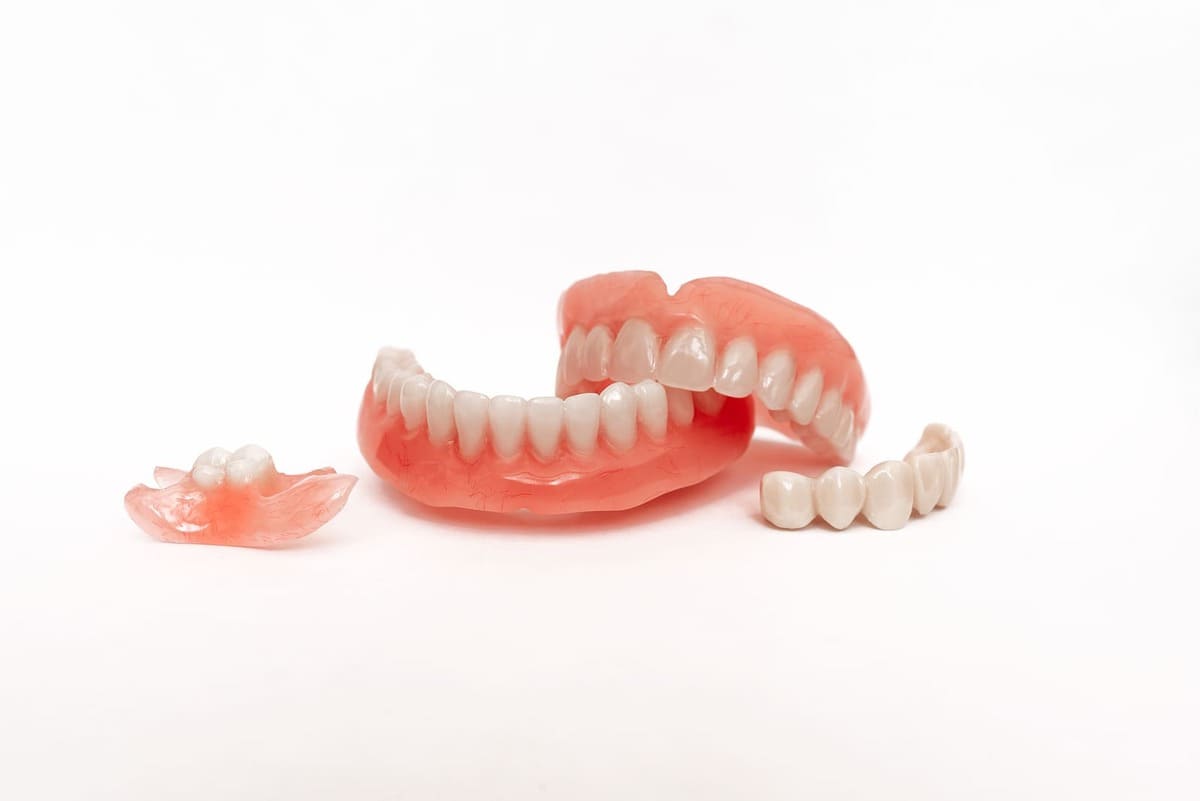
Replacing missing front teeth is about more than restoring your smile; it affects your confidence, speech, and ability to bite comfortably. Partial dentures are one of the most effective, affordable, and conservative ways to replace missing front teeth. At South Florida Dental Center in Coral Springs, FL, Dr. Daniel Cohen provides natural-looking, comfortable solutions tailored to each patient’s needs.
This guide explains partial dentures for front teeth, the types available, what they cost, how to care for them, and how to choose the right option for your situation.
What Are Partial Dentures for Front Teeth?
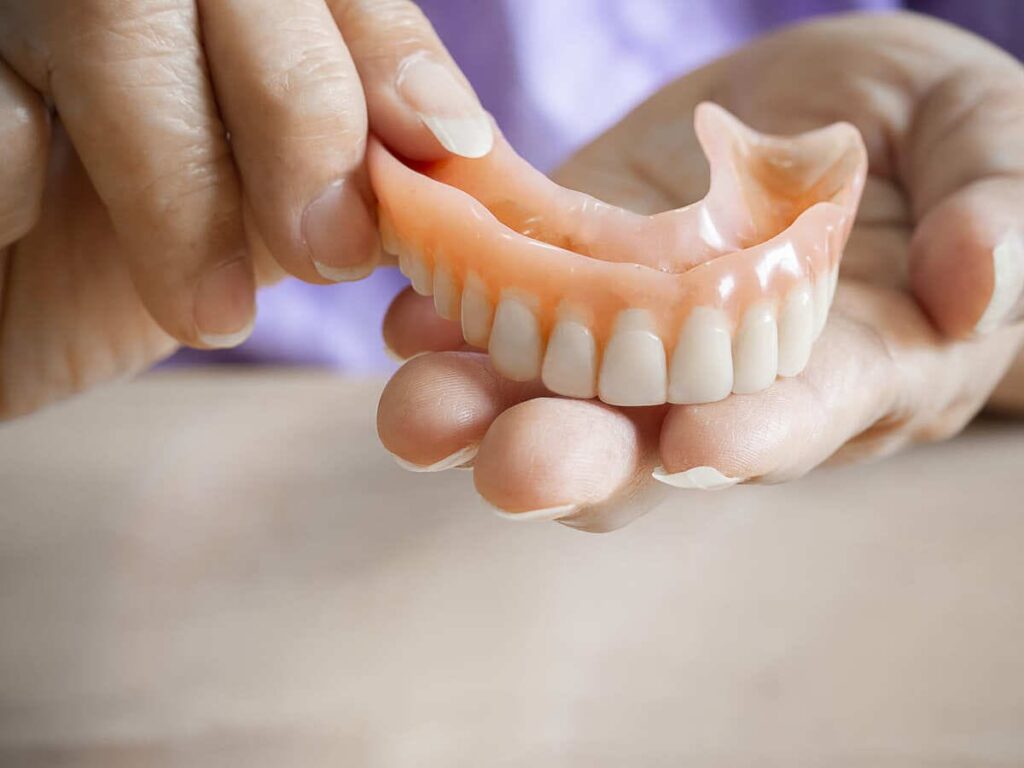
Partial dentures are removable dental appliances designed to replace one or several missing teeth in the upper or lower arch. When designed for the front teeth specifically, they must balance function, stability, and esthetics. Because the front teeth are highly visible, front-tooth partials require meticulous design to ensure they blend in seamlessly with your natural smile.
Patients choose partial dentures because they are:
- Affordable compared to implants and bridges
- Non-invasive (no surgery required)
- Quick to fabricate
- Easily adjustable
- Suitable for both temporary and long-term use
Whether you’re missing teeth due to injury, decay, gum disease, or genetics, partial dentures can be an excellent solution when you want a natural smile without extensive treatment.
Types of Partial Dentures
There are several clinically proven options for replacing front teeth with partial dentures. The right choice depends on comfort, esthetic goals, and how many teeth need to be replaced.
1. Acrylic Partial Dentures (“Flippers”)
Acrylic partials, often called flippers, are lightweight removable appliances typically used as temporary or transitional options.
Best for:
- Patients needing a fast replacement after an extraction
- Those on a limited budget
- Young patients still undergoing orthodontic treatment
- Individuals waiting for future implant placement
Benefits:
- Affordable
- Quick to make
- Easily repairable
- Good cosmetic result when crafted carefully
Flippers are especially common for top or bottom partial dentures for front teeth, including cases involving partial dentures for bottom front teeth, where space can be limited and esthetics are critical.
2. Cast Metal Partial Dentures
Cast metal partials use a thin, durable metal framework with gum-colored acrylic and natural-looking teeth attached.
Best for:
- Patients wanting a long-lasting, stable option
- Those missing multiple front teeth
- Individuals needing firm support without bulky material
Benefits:
- Strong and resistant to fracture
- Very stable
- Less bulky than acrylic
- Excellent long-term solution
Because they anchor securely around existing teeth, these partials often feel more comfortable for long-term wear.
3. Flexible Partial Dentures (Valplast or Similar Materials)
Flexible partials use a nylon-based material that adapts naturally to gum tissues. These are popular for front-tooth replacements because they look highly esthetic and blend seamlessly with natural tissue.
Best for:
- Patients wanting a metal-free option
- Those with sensitive gums
- Patients concerned about appearance
Benefits:
- Very natural gum appearance
- Gentle on soft tissues
- Lightweight and comfortable
- Good for both upper and lower partials
Flexible dentures are especially helpful when replacing teeth in highly visible areas, as the clasps are often nearly invisible.
4. Implant-Supported Partial Dentures
For patients wanting extra stability, small implants can be used to secure a partial denture in place.
Best for:
- Patients who want a more secure feel
- Individuals with difficulty wearing traditional partials
- Patients with multiple missing front teeth
Benefits:
- Excellent stability
- Improved speech and chewing
- Very natural appearance
- Reduced denture movement
This option combines the affordability of partial dentures with the security of implants.
How Much Do Front Teeth Partial Dentures Cost?
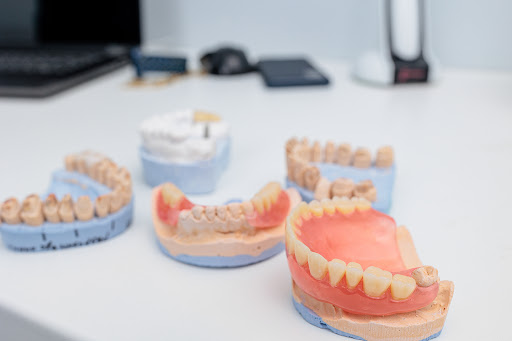
Patients frequently ask about front teeth partial dentures cost or the overall cost of dental partials. The price varies depending on several factors, including:
- The type of partial denture (acrylic, flexible, cast metal, or implant-supported)
- The number of teeth being replaced
- The materials used
- The complexity of the design
- Whether additional procedures are needed
Generally, acrylic flippers tend to be the most affordable option, while flexible and cast-metal partial dentures fall in the mid-range. Implant-supported partials usually have a higher investment since they involve implant placement for added stability.
Insurance may help cover part of the treatment, especially when the partial denture is considered medically necessary for restoring function.
The best way to understand your exact cost is through an in-person consultation. At South Florida Dental Center, we provide clear, transparent treatment plans so you know your options and what to expect without surprises.
What to Expect During Your Partial Denture Process
A personalized and clinically detailed approach is essential for designing partial dentures that look natural and feel comfortable. A typical process includes:
1. Comprehensive Exam
Your dentist evaluates the health of your gums, existing teeth, bite alignment, and bone structure.
2. Impressions or Digital Scans
These create an accurate model of your mouth so your partial denture fits precisely.
3. Selecting Tooth Shade and Shape
Front teeth require artistic customization to match your natural teeth closely.
4. Fabrication
Your denture is crafted by a dental laboratory using the chosen materials.
5. Fitting and Adjustments
Once delivered, the partial is checked for comfort, esthetics, and function. Minor adjustments refine the fit.
6. Follow-up Visits
Follow-ups ensure the partial continues to fit comfortably as your mouth adapts.
Caring for Partial Dentures
Proper care ensures comfort, longevity, and good oral health.
Daily Cleaning
- Remove and rinse after meals
- Brush gently with a denture brush
- Avoid toothpaste (it can be abrasive)
- Use denture-cleaning solutions if recommended
Nightly Removal
Sleeping without your partial gives the gums a chance to rest and reduces the risk of irritation.
Handle With Care
Avoid bending metal clasps or dropping the denture. Rinse over a soft towel or bowl of water.
Keep Natural Teeth Healthy
Your remaining front teeth help anchor the partial. Preventing decay or gum disease is essential for long-term success.
Regular Checkups
Visit our office every 6 months or sooner if you notice looseness, irritation, or changes in your bite.
Are Partial Dentures a Good Long-Term Solution for Front Teeth?
Yes. Many patients wear front-tooth partials comfortably for years, especially when cared for properly. They are a great option if you want something:
- Affordable
- Non-invasive
- Natural-looking
- Quick to start using
Partial dentures can also be used temporarily while preparing for future implants or cosmetic dentistry treatment.
Why Choose South Florida Dental Center?
At South Florida Dental Center in Coral Springs, FL, we combine advanced technology with compassionate, patient-focused care.
Patients choose us because:
- Dr. Daniel Cohen brings years of clinical experience in cosmetic, general, and emergency dentistry.
- We provide custom-designed partial dentures that look natural and fit comfortably.
- Our office offers flexible options from flippers to implant-supported partials.
- We focus on long-term oral health, not just replacing teeth.
If you’re considering partial dentures or exploring options for replacing front teeth, our team is here to guide you.
Learn more about our services here:
Dentures in Coral Springs, FL
Schedule a Consultation Today For Partial Dentures
A confident smile begins with a personalized treatment plan. Whether you need partial dentures for one front tooth or several, we will help you choose the right solution.
Call South Florida Dental Center at (954) 755-7971 or visit our Contact Us page to schedule your consultation with Dr. Daniel Cohen.
Frequently Asked Questions:
1. What are the best options for replacing missing front teeth with a partial denture?
Several effective options exist, including acrylic flippers, flexible partial dentures, cast metal partials, and implant-supported partials. The best choice depends on how many teeth you’re missing, your esthetic goals, and whether you want a temporary or long-term solution.
2. Are partial dentures for front teeth noticeable?
When designed well, partial dentures can look very natural. Modern materials allow the denture base and clasps to blend closely with your gums and natural teeth. At South Florida Dental Center, we carefully match tooth shape and shade to help the appliance blend seamlessly into your smile.
3. Can you eat normally with partial dentures for front teeth?
Yes. After a short adjustment period, most patients return to their normal diet. Starting with softer foods helps you get used to chewing with the appliance. Flexible and cast-metal partials often provide the most stability for front-tooth replacement.
4. How long do front teeth partial dentures last?
Partial dentures can last for several years with proper care. The lifespan depends on the material, how well the denture is maintained, and the health of your remaining teeth. Regular dental checkups help ensure your partial continues to fit comfortably over time.
5. Do partial dentures for front teeth hurt or feel uncomfortable?
A little pressure or tightness is normal at first; it usually improves within a few days. If discomfort continues, Dr. Daniel Cohen can make adjustments to improve the fit. Most patients adapt quickly and wear their partials comfortably throughout the day.
How do partial dentures for bottom front teeth differ from upper front partials?
Partial dentures for bottom front teeth require a more precise design because the lower front area has less space for the denture base and is affected more by tongue movement. For this reason, flexible or cast-metal partials often provide better comfort and stability in the lower arch.
7. How is a lower front partial denture designed for comfort and stability?
A lower front partial denture requires precise planning because the lower front area has limited space and is influenced heavily by tongue movement. To improve comfort and retention, dentists often recommend flexible or cast-metal designs, which adapt well to the lower arch and provide a more secure fit. During your evaluation, the dentist will assess your bite, gum health, and the available space to create a lower partial that looks natural and stays comfortable throughout daily activities.