
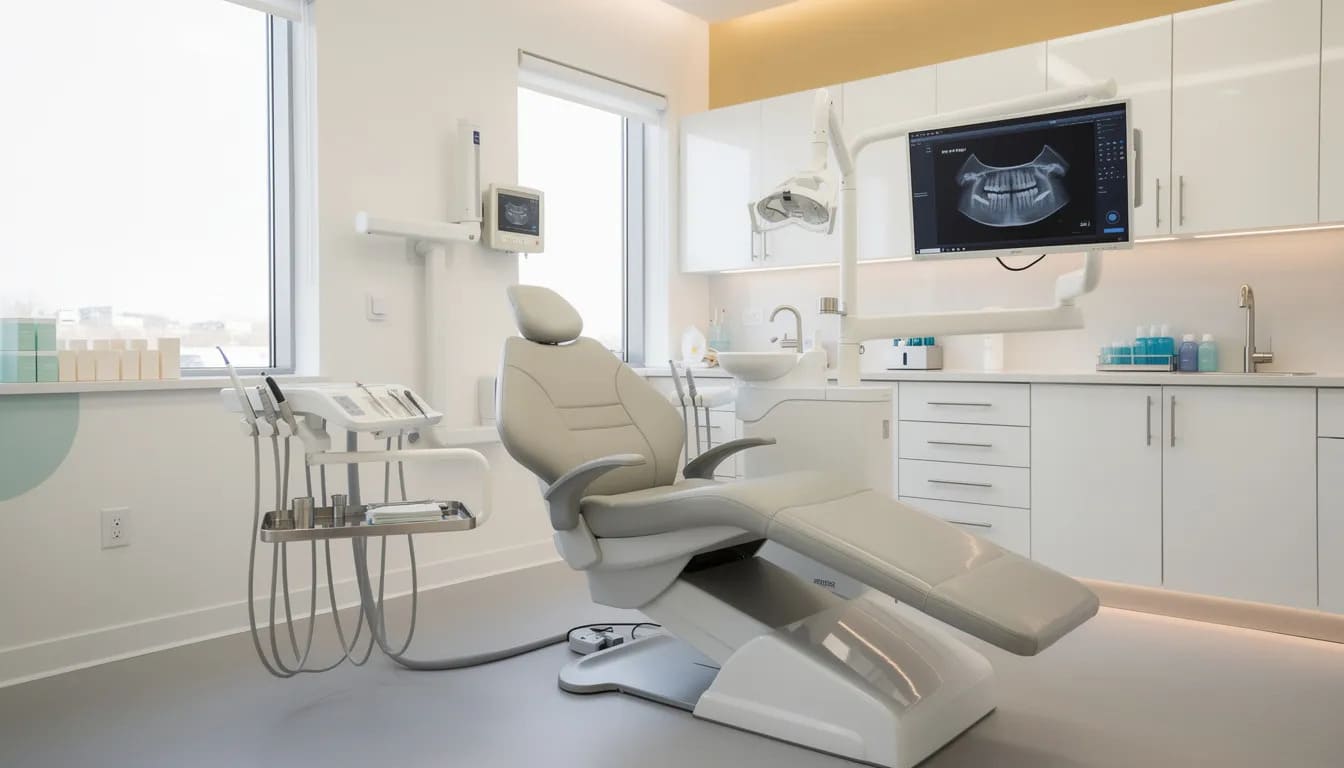
If you’re dealing with jaw pain, swelling at the back of your mouth, or concerns about erupting wisdom teeth, it may be time to schedule a dental evaluation. At South Florida Dental Center in Coral Springs, Dr. Daniel Cohen provides comprehensive dental care and same-day emergency care for urgent dental problems, with convenient access for patients in Coral Springs, Parkland, Boca Raton, Coconut Creek, Margate, and Tamarac.
Key Takeaways
- Wisdom teeth typically erupt between ages 17 and 25, and removal is recommended when they cause pain, infection, crowding, or damage to nearby teeth or when imaging shows problems are likely to develop.
- South Florida Dental Center offers comprehensive dental care, emergency and same-day dental care, and sedation dentistry in a comfortable Coral Springs office. Patients with pain, swelling, or other concerns involving back teeth should schedule an exam so the team can determine the appropriate next step based on the findings.
- The main reasons patients need their wisdom teeth removed include impacted teeth trapped beneath bone or gum tissue, recurring infections (pericoronitis), tooth decay in hard-to-reach areas, and pressure on other teeth that can undo orthodontic work.
- Recovery follows a predictable timeline: swelling peaks on days 2-3, significant improvement occurs by days 4-5, and most patients return to normal activities within 3-5 days, with complete healing over several weeks.
- Not everyone needs extraction of healthy wisdom teeth with enough space can be monitored so the decision is always individualized based on your exam, X-rays, and medical history at our Coral Springs office.
What Is Wisdom Teeth Removal?
Wisdom teeth are the third molars at the back of the mouth and often erupt in the late teens or early twenties. In some cases, they remain healthy and symptom-free, while in others they may contribute to pain, swelling, crowding, or other dental concerns that should be evaluated by a dentist. This article is intended as a general educational guide, and an in-office exam is the best way to determine whether treatment is needed.
The procedure can involve removing one, some, or all four wisdom teeth depending on your situation. Your teeth may be fully erupted (visible and accessible), partially erupted (with gum tissue still covering part of the crown), or impacted (completely trapped beneath bone or surrounding tissues and unable to break through).
South Florida Dental Center highlights patient comfort with a welcoming office, modern technology, and sedation dentistry. The right approach for any procedure depends on the patient’s needs, comfort level, and the treatment being recommended after an exam.
When wisdom teeth are causing symptoms or raising concerns, dental imaging and a clinical exam help determine the tooth position and the next appropriate step. South Florida Dental Center highlights digital imaging as part of its modern approach to patient care.
Why Wisdom Teeth Are Removed
Wisdom teeth are the last adult teeth to come in, and for many patients, there simply isn’t enough space in the jaw to accommodate them properly. This space issue creates several specific problems that often require removal.
The most common reasons our Coral Springs patients need their wisdom teeth removed include:
- Ongoing pain or pressure at the back of the jaw
- Swollen or bleeding gums around the wisdom teeth
- Repeated infections (pericoronitis) around partially erupted wisdom teeth
- Cavities in hard-to-clean wisdom teeth
- Damage or crowding affecting nearby molars
- Cysts, bone loss, or a fluid filled sac visible on X-rays
Dentists often recommend evaluation in the late teens (around ages 16-19) so any needed removal can be planned before roots fully form. At this age, the surrounding bone is more flexible and wound healing tends to be faster, making the procedure simpler overall.
Even wisdom teeth that are not currently painful may still need monitoring if they are hard to clean or positioned in a way that could lead to future problems. The decision to remove or monitor wisdom teeth should be based on your symptoms, exam findings, and dental imaging reviewed by your dentist.
Problems Caused by Impacted Wisdom Teeth
Impacted wisdom teeth are teeth blocked from fully erupting by bone, other teeth, or gum tissue. This trapped position creates a variety of problems that tend to worsen over time.
Specific issues caused by impacted teeth include:
| Problem | What Happens |
|---|---|
| Recurring pain and swelling | Pressure builds at the back of the mouth, causing chronic discomfort |
| Limited jaw opening | Inflammation makes it difficult to open your mouth fully |
| Decay and gum disease | Trapped food and plaque lead to cavities and periodontal disease |
| Gum infections | A partially erupted wisdom tooth creates a flap of gum tissue that harbors bacteria |
| Teeth shifting | Pressure can push other teeth out of alignment, potentially undoing orthodontic work |
| Cysts or tumors | In rare cases, a fluid filled sac or benign tumor develops around the tooth |
A partially erupted wisdom tooth is particularly problematic because the overlying gum tissue creates a pocket where bacteria thrive. This leads to pericoronitis a painful condition characterized by swelling, bad taste, and sometimes difficulty breathing if swelling becomes severe.
Early removal of impacted wisdom teeth usually means less complex cases, shorter chair time, and a smoother recovery compared with waiting until later adulthood when bone density increases.
Preventing Future Dental Problems
It’s impossible to predict with 100% certainty which wisdom teeth will cause trouble, so many dentists recommend proactive removal in late teens or early twenties as a preventive measure when imaging suggests problems are likely.
Preventive removal can help avoid:
- Crowding after braces or clear aligner treatment
- Painful infections during college, travel, or other inconvenient times
- Emergency room visits for severe swelling
- More involved oral surgery later in life when bone is denser
Young adults (around ages 17-22) usually have shallower roots and more flexible bone, which often means easier extraction and faster healing based on our experience at South Florida Dental Center.
Every case is different. Some patients may benefit from proactive treatment, while others may simply need periodic monitoring. A dental exam and imaging help determine which approach makes the most sense for the individual patient.
Risks and Safety of Wisdom Teeth Removal
Wisdom teeth removal is a common dental procedure, but the risks and complexity can vary depending on the position of the teeth, the roots, and the patient’s overall health. A dental evaluation helps clarify what is involved and whether referral or additional planning is needed.
Typical, short-term side effects include:
- Swelling in the cheeks and jaw area
- Mild to moderate pain managed with pain medicine
- Bruising on the cheek or jaw (fades within 7-10 days)
- Limited mouth opening for a few days
- Some bleeding or oozing in the first 24 hours
Less common but more serious risks include infection at the surgical site, dry socket (loss of the protective blood clot 3-5 days after surgery), sinus communication for upper wisdom teeth, and temporary or rarely permanent changes in sensation of the lower lip, chin, or tongue from nerve irritation.
Certain health conditions may require special precautions. Patients with heart valve disease, joint replacements, uncontrolled diabetes, or those taking blood thinners may need coordination with a physician or preventive antibiotics before the procedure.
Our use of 3D CBCT scans in Coral Springs helps us map the exact position of roots relative to the nerve canal and sinuses, improving safety and allowing us to modify surgical techniques if needed.
How to Prepare for Wisdom Teeth Removal
Preparation for any dental procedure begins with an exam, a review of symptoms, and appropriate dental imaging. Your dentist will also review your medical history, current medications, and treatment options before recommending next steps.
For pre-surgery planning, keep these key steps in mind:
- Arrange a driver if any form of sedation besides local anesthesia will be used
- Plan 2-3 quieter days after surgery for recovery
- Pick up prescribed medications (pain relievers, mouth rinse, antibiotics if needed) ahead of time
- Stock your kitchen with soft foods
You’ll receive customized instructions regarding eating and drinking. If IV sedation or deeper sedation is planned, you’ll typically need to avoid food and drink for 6-8 hours prior. With local anesthesia only, light eating is usually allowed.
Our Coral Springs office is located at 7522 Wiles Road Suite 104, with convenient parking available. We can often schedule urgent evaluations quickly for patients experiencing pain.
Questions to Ask Your Dentist Before Surgery
Coming prepared with questions helps you feel confident about your treatment options. Consider asking:
- “Will my wisdom teeth be removed under local anesthesia, nitrous oxide, oral sedation, or IV sedation, and why is that recommended for my case?”
- “How close are my roots to the nerve or sinus based on my 3D scan?”
- “How many days should I plan to take off from school or work?”
- “When can I resume normal exercise and physical activity?”
- “What pain level should I expect in the first 72 hours?”
- “What happens if I choose to monitor instead of remove now, and how often would follow-up X-rays be needed?”
- “What warning signs after surgery mean I should call immediately?”
Don’t forget to ask about costs: which parts are covered by dental insurance, the estimated out-of-pocket range, and whether the office accepts CareCredit or offers in-house financing (we do).
Day-Before and Day-Of Preparation
The day before surgery:
- Confirm your ride home with your designated driver
- Prepare soft foods: yogurt, mashed potatoes, applesauce, and smoothie ingredients (no straws needed yet!)
- Set up a comfortable resting area with extra pillows and an ice pack ready in the freezer
Morning of surgery:
- Wear short sleeves if IV sedation is planned for easy IV access
- Avoid heavy makeup or lipstick
- Remove contact lenses for deep sedation
- Leave jewelry at home
Pre-procedure instructions vary depending on the treatment being performed and the type of anesthesia or sedation being recommended. Patients should always follow the instructions provided directly by the dental office before their appointment.
Plan to arrive 10-15 minutes early to complete any remaining forms, verify insurance, and review consent documents at our front desk.
What Happens During Wisdom Teeth Removal
When wisdom teeth do need to be removed, the exact procedure depends on whether the teeth are fully erupted, partially erupted, or impacted. The number of teeth involved and the complexity of the case can also affect treatment planning and recovery.
Comfort options can vary depending on the patient and the procedure. South Florida Dental Center highlights sedation dentistry as part of its patient-centered approach, but the most appropriate option should be confirmed directly with the office during treatment planning.
Your dentist or oral surgeon recommends the best option based on your anxiety level, medical history, and case complexity. Oral and maxillofacial surgeons often coordinate IV sedation for complex cases.
In general, tooth removal may involve numbing the area, creating access to the tooth when needed, carefully removing the tooth, and giving the patient post-procedure instructions. The exact steps can vary based on the position of the tooth and the complexity of the case.
For simple erupted wisdom teeth, removal can sometimes be as straightforward as a standard tooth extraction. Deeply impacted teeth may require more surgical steps but remain routine for our experienced team.
Throughout the procedure, vital signs and comfort are monitored. Patients who choose sedation usually remember little or nothing of the surgery itself.
Right After the Procedure
After any dental procedure, patients receive instructions on home care, medications if needed, and what symptoms should prompt a follow-up call. These instructions vary depending on the treatment performed and the type of anesthesia used.
We review written and verbal post-operative instructions with you and your escort, covering:
- How to change gauze properly
- When and how to use an ice pack
- How to take medications
- What to avoid in the first 24 hours
Expect mild grogginess if you are sedated. You will not be allowed to drive yourself home. A responsible adult should stay with you for several hours. Don’t make important decisions or sign legal documents for the rest of the day.
We’ll schedule or confirm any needed follow up appointment to remove non-dissolving sutures or check healing in more complex cases.
Recovery After Wisdom Teeth Removal

Recovery varies from person to person and depends on the complexity of the extraction. In general, patients can expect some soreness, swelling, and temporary dietary restrictions, and they should follow the office’s post-procedure instructions closely to support healing.
We provide tailored pain control plans that may include:
- Over-the-counter pain medications (ibuprofen, acetaminophen)
- Prescription pain medicine for the first 1-3 days if needed
- A medicated mouth rinse to keep the area clean
Basic care instructions:
- Keep gauze in place for the first hour or two, applying firm pressure
- Avoid vigorous rinsing or spitting on day 1 to protect the blood clot
- Use an ice pack intermittently (20 minutes on, 20 minutes off) for 24-48 hours to reduce swelling
- Sleep with your head elevated on extra pillows
- Stick to soft foods initially
Dissolvable stitches commonly used at South Florida Dental Center usually disappear on their own in 7-14 days. Mild tightness when opening your mouth is normal and improves as healing progresses.
Smoking and vaping significantly increase the risk of dry socket and delay healing. Avoid them entirely for at least 3-5 days ideally longer.
Diet and Eating Timeline
First 24 hours:
- Cool liquids
- Smoothies (eat with a spoon, no straws)
- Yogurt
- Applesauce
Days 2-3:
- Mashed potatoes
- Scrambled eggs
- Soft pasta
- Soup (not too hot)
Days 4-7:
- Gradual return to more solid foods as comfort allows
What to avoid for at least several days:
| Avoid | Why |
|---|---|
| Straws | Suction can dislodge the blood clot |
| Carbonated drinks | May cause pressure or discomfort at the surgery site |
| Hard or crunchy foods (chips, nuts, popcorn) | Can disturb the surgical site |
| Very hot liquids | May increase bleeding or discomfort |
You can usually resume a mostly normal diet after about a week, but avoid biting directly on extraction sites until tenderness subsides. Don’t eat hard foods too soon.
Drink plenty of water to stay hydrated and support wound healing. Avoid alcohol while taking pain medications or antibiotics don’t drink alcohol or drink alcoholic beverages until you’ve completed your prescription pain medicine course.
Oral Hygiene and Activity Guidelines
Oral hygiene instructions:
- Day 1: No brushing directly over the extraction sites
- Evening after surgery: Gentle brushing of remaining teeth, avoiding the surgical areas
- 24 hours after surgery: Begin gentle saltwater rinses using warm salt water (½ teaspoon of salt in 8 oz warm water), 2-3 times daily gently rinse without swishing vigorously
Activity restrictions:
Avoid strenuous exercise, heavy lifting, sports, and activities that raise your heart rate significantly for 3-5 days. This reduces bleeding risk and helps prevent dry socket.
Light walking around the house is safe and can help with circulation. However, stop any activity that increases throbbing or bleeding at the surgical sites.
Mild bruising on the cheek or jaw may appear and typically fades within 7-10 days. Once the skin is no longer tender, bruising can be covered with makeup if desired.
Warning Signs: When to Call Our Office
Contact South Florida Dental Center promptly if you experience:
- Heavy bleeding that does not slow after firm gauze pressure
- Worsening pain after day 3 instead of improvement
- Foul odor or bad taste in your mouth
- Fever or chills
- Increasing facial swelling
- Difficulty swallowing or difficulty breathing
Recognizing dry socket:
Dry socket is a painful condition that occurs when the blood clot protecting the tooth socket is lost or dissolves too early. Signs include increasing, throbbing pain starting 3-5 days after surgery, often radiating to the ear, with an empty-looking socket visible at the extraction site. If you suspect dry socket, call our Coral Springs office promptly—this requires professional treatment.
Persistent numbness of the tongue, lip, or chin beyond the usual anesthesia window (a few hours) should be reported so we can check for nerve irritation.
Patients can call South Florida Dental Center during business hours, and we strive to see post-operative concerns the same day whenever possible.
Costs, Insurance, and Scheduling at South Florida Dental Center
South Florida Dental Center accepts major credit cards, offers in-house financing, and provides CareCredit payment plans. The office also participates with PPO insurance providers and accepts the Aetna Discount Plan. Patients can contact the office for benefit questions and scheduling details.
Frequently Asked Questions About Wisdom Teeth Removal
Does everyone need to have their wisdom teeth removed?
Not everyone requires extraction. Some people have enough jaw space and properly aligned wisdom teeth that can be cleaned easily and monitored with routine X-rays throughout life.
Removal is recommended when teeth are impacted, repeatedly infected, decayed, damaging a nearby tooth, or likely to cause problems later based on imaging. The decision is made case by case during an exam at South Florida Dental Center not automatically based on age alone. How many wisdom teeth need removal varies from person to person; some patients only need one or two removed while others benefit from having all four extracted.
How long will I need to take off from work or school?
Most patients plan 2-3 days of lighter activity, with many returning to desk work or classes by day 3-5 depending on how many teeth were removed and their pain level.
Jobs involving heavy lifting, sports, or vigorous activity may require a few extra days off or modified duties to avoid increased bleeding or swelling. If possible, schedule surgery late in the week or during school breaks to allow easier recovery time. Young adults often heal quickly, but don’t wait longer than necessary to seek care if you’re experiencing problems.
Can I drive myself home after wisdom teeth removal?
Patients who receive only local anesthesia (numbing injections) can usually drive themselves home, provided they feel comfortable and alert.
Anyone receiving nitrous oxide, oral sedation, IV sedation, or general anesthesia must have a responsible adult drive them home and stay with them for several hours afterward. Reaction time and judgment may be affected for the rest of the day after sedation. Arrange transportation in advance and avoid making important decisions or signing legal documents until the next day.
Will removing my wisdom teeth change the way my face looks?
Removing wisdom teeth does not typically change facial shape or appearance. The procedure occurs at the back of the jaw where there is ample bone and soft tissue support, and removing teeth from this area doesn’t affect your facial structure.
Temporary swelling and bruising can make the cheeks look fuller for a few days, but this resolves completely as healing progresses. Patients who had crowding may notice their back teeth feel less pressure after healing, but this isn’t visible as a cosmetic change. There are no long term complications related to facial appearance.
What if I am very anxious about dental surgery?
Dental anxiety is common, and South Florida Dental Center highlights patient comfort and sedation dentistry as part of its approach to care. Patients who feel nervous about treatment should schedule a consultation to discuss their concerns, review treatment recommendations, and learn what comfort options may be appropriate for their case.